
Share your research with the world. Submit your manuscript for peer review.
Make a SubmissionAuthors Guidelines
Guidelines for Authors
NAJFNR Authors Guidelines (Updated August 2025)
Summary
1. General Information
The North African Journal of Food and Nutrition Research (NAJFNR), ISSN: 2588-1582, is a distinguished international peer-reviewed, open-access online journal. The journal is committed to the expeditious publication of contemporary research and scholarly investigations spanning all disciplines of human nutrition and food science. NAJFNR prioritizes the dissemination of novel and rigorous manuscripts that contribute significantly to the progression of the field, encompassing original research articles, comprehensive reviews, concise communications, scholarly correspondence, case reports, hypothesis development, expert perspectives, and critical commentaries. NAJFNR welcomes submissions addressing topics pertaining to human, animal, cellular, and molecular nutrition, as well as food science.
The North African Journal of Food and Nutrition Research provides a forum for the dissemination of specialized knowledge pertinent to researchers and practitioners across diverse domains of research and practice, including:
- Nutritional Science (NS): The investigation of food, nutrients, and other dietary constituents, encompassing their ingestion, biochemical metabolism, and influence on health and disease. This discipline also extends to the application of this knowledge in the formulation of policies and programs.
- Medical Nutrition Therapy (MNT): An evidence-based medical intervention employing individualized nutrition strategies to manage specific chronic diseases. These tailored strategies are designed to optimize patient health and mitigate healthcare expenditures.
- Public Health Nutrition (PHN): The application of nutritional science and physical activity principles to promote optimal health and prevent diet-related diseases within groups, communities, and populations. This encompasses the provision of health services, the development of programmatic interventions, and the advocacy of public health policies.
- Food Science and Biotechnology (FSB): The scientific study of the physical, biological, and chemical attributes of food, alongside the mechanisms of food deterioration and the fundamental principles of food processing. This field integrates disciplines such as chemistry, engineering, microbiology, and nutrition to enhance food safety, nutritional quality, and accessibility.
The journal endeavors to augment consumer comprehension of the complex interrelationship between nutrition, physical activity, and lifestyle choices to foster health throughout the human lifespan. Furthermore, it seeks to investigate the refinement of health policies through the integration of enhanced nutritional considerations.
We encourage submissions that present observational and interventional studies, alongside fundamental scientific reports, on topics encompassing food sciences, dietary patterns, metabolism, nutrients, clinical nutrition, social sciences, and health economics as they pertain to nutrition, eating behaviors and disorders, and nutrition policies. Manuscripts that explore the synergistic effects of physical activity and nutrition education, as well as strategies to alleviate food insecurity, are also highly valued.
Specific topics within the journal's scope include:
Food Chemistry, Engineering, Processing and Packaging Human and Clinical Nutrition Infant, Child, and Adolescent Nutrition Nutrition, Metabolism, and Prevention of NCDs Public Health Nutrition Policy & Economics Nutritional Immunology and Reproduction Food Microbiology, Safety and Toxicology Sport and Exercise Nutrition Functional and Novel Foods Nutrition Education and Dietetics
1.1 Language and Grammar
Manuscripts must be presented in Standard American English.
1.2 Types of Manuscripts
Original Articles
Submissions encompassing randomized controlled trials, intervention studies, investigations of screening and diagnostic tests, outcome studies, cost-effectiveness analyses, case-control studies, and surveys exhibiting high response rates.
- Max Words: 5,000 words
- Abstract: Max. 300 words
- References: Max. 45
- Figures/Tables: Max. 6 total
Structure: Abstract, Keywords, Introduction, Methods, Results, Discussion, References, Tables, and Figure Legends.
5000 max words excluding the abstract, references, and tables.
Brief / Short Communication
Succinct reports of original research or clinical data that warrant rapid publication due to their significant scientific impact.
- Max Words: 2,500 words
- Abstract: Max. 200 words
- References: Max. 20
- Figures/Tables: Max. 2 total
Review Articles & Meta-Analysis
Systematic and critical evaluations of existing literature and data sources. Must provide a comprehensive overview of a specific topic.
- Max Words: 10,000 words
- Abstract: Max. 300 words
- References: Max. 150
- Figures/Tables: Max. 5 total
Correspondence
Engage with articles published within the preceding 6 months, offering commentary or addressing contemporary issues of relevance.
- Max Words: 1,000 words
- Abstract: Not required
- References: Max. 7
- Figures/Tables: Max. 2 total
Case Reports
Novel, noteworthy, or exceptionally rare clinical cases exhibiting significant clinical implications.
- Max Words: 1,000 words
- Abstract: Max. 150 words
- References: Max. 10
- Figures/Tables: Max. 3 total
Letter to the Editor
Succinct and definitive observations, excluding preliminary findings that necessitate further validation.
- Max Words: 400 words
- Abstract: Not required
- References: Max. 4
- Figures/Tables: Max. 1 total
Viewpoint
Personal perspectives on pertinent topics. Anonymous submissions will not be considered.
- Max Words: 1,500 words
- Abstract: Not required
- References: Max. 10
- Figures/Tables: Max. 2 total
Conference Announcement
Comprehensive information regarding forthcoming conferences, including the event title and contact details.
- Max Words: 100 words
- Abstract: Not required
1.3 Authorship Criteria
1.3.1 Author Contributors
Authorship is the formal recognition of individuals who have made substantive intellectual contributions to a scholarly work and who agree to take public responsibility for its content.
To qualify as an author, one must meet all four ICMJE criteria:
- Substantial Contribution: Design, acquisition, analysis, or interpretation of data.
- Critical Engagement: Drafting or revising the work for important intellectual content.
- Final Approval: Approval of the version to be published.
- Accountability: Responsibility for the accuracy and integrity of all aspects of the work.
1.3.1.1 CRediT Roles

NAJFNR recommends authors specify their contributions using the 14 CRediT roles. All co-authors must review and endorse their assigned roles. We encourage authors to explore the CRediT website for comprehensive descriptions of each role.
| Role | Description |
|---|---|
| Conceptualization | Ideas; formulation of research goals/aims |
| Data Curation | Management/annotation of research data |
| Formal Analysis | Statistical or computational analysis |
| Funding Acquisition | Securing financial support |
| Investigation | Conducting experiments/data collection |
| Methodology | Development/design of methods |
| Project Administration | Oversight of research activities |
| Resources | Provision of materials/equipment |
| Software | Programming, code development |
| Supervision | Mentorship/guidance of the team |
| Validation | Verification of results/replication |
| Visualization | Creation of visual representations |
| Writing – Original Draft | Preparing the first manuscript draft |
| Writing – Review & Editing | Critically revising the manuscript |
EXAMPLE CREDIT STATEMENT
Author 01: Conceptualization, Methodology, Data Curation, Formal Analysis, Software.
Authors 02 and 03: Investigation, Visualization, Writing - Original Draft, Writing - Review & Editing.
Authors 04 and 05: Conceptualization, Data Curation, Investigation, Methodology.
Author 06: Conceptualization, Methodology, Project Administration, Resources, Supervision, Validation.
General oversight of a research group does not, in itself, constitute sufficient grounds for authorship. To warrant authorship, each contributor must have actively participated in the work and be prepared to assume public responsibility for the pertinent aspects of the content. For comprehensive details, please refer to the Assigning Authorship and Contributorship sections within our Editorial Policies.
The order of contributor attribution should reflect the relative contributions of each individual to the study and manuscript preparation. Subsequent to manuscript submission, the author order cannot be modified without the explicit written consent of all contributors.
1.3.1.2 Changes Prior to Publication: Addition of an Author
In accordance with best editorial practices and COPE guidelines, the journal has established a transparent procedure for handling requests to add an author after manuscript submission but prior to publication.
a. Key Principles:
- The journal requires a clear and justified explanation for the addition of any author. Specifically, the corresponding author must explain why the individual was omitted from the original author list and why they now qualify for authorship.
- As per the journal’s authorship policy, all listed authors must meet established authorship criteria, and no individual who meets these criteria should be omitted.
- Any proposed change in authorship must be approved by all listed authors, including the individual being added. Written confirmation of consent must be provided by each author.
b. Procedure:
- The corresponding author must submit a formal request explaining the reason for the proposed authorship change.
- The editorial office will contact all original authors and the proposed new author to:
- Confirm their agreement with the authorship change.
- Ensure that the new author meets authorship criteria and has no conflicts of interest.
- The new author must complete and sign the journal’s Authorship Declaration and, where applicable, the Title Page file.
- If the addition is approved, the author list and contributor statements will be updated accordingly.
- The editorial team reserves the right to decline changes that are not transparent, justified, or unanimously agreed upon.
This process aims to protect the integrity of authorship attribution and ensure full transparency throughout the publication process.
1.3.1.3 Removal of Author After Publication
In accordance with recent best editorial practices and the guidelines established by the COPE, the journal has a formal procedure for handling requests to remove an author after publication.
a. Key Principles:
- Requests for removal of an author must be accompanied by a clear and detailed explanation, including the reason the author was included initially and why they should now be removed.
- The journal will consider such requests only when there is clear evidence of error, misrepresentation, or misconduct in the original authorship declaration.
b. Procedure:
- A formal written request must be submitted to the editorial office, signed by the corresponding author and clearly stating:
- The reason for the removal request.
- Whether the author to be removed agrees with the proposed change.
- The journal will contact all listed authors, including the one proposed for removal, to verify and document their agreement or disagreement.
- If all authors agree to the removal and the explanation is deemed valid, the journal may issue a correction notice (erratum or corrigendum) to reflect the change. The original article will not be altered retroactively, but the change will be publicly documented.
- If consensus cannot be reached or if there is suspicion of misconduct, the journal may refer the case to the relevant institutional or ethical oversight bodies for further investigation before taking action.
- The journal will always act in accordance with COPE guidelines, prioritizing transparency, fairness, and the integrity of the scholarly record.
1.3.1.4 Addition of Author After Publication
In accordance with recent best editorial practices and the guidelines established by the COPE, the journal has established a clear policy for the addition of an author after publication, recognizing that such changes may significantly impact the integrity of the scholarly record.
a. Key Principles:
- Authorship confers both credit and responsibility. As such, changes to the authorship list after publication are considered exceptional and are subject to careful scrutiny.
- Requests to add an author after publication must be supported by a clear and legitimate justification, including why the author was omitted from the original submission and how they meet the journal’s authorship criteria.
- The journal requires full transparency, author consensus, and appropriate documentation before implementing any post-publication authorship changes.
b. Procedure:
- A formal, written request must be submitted by the corresponding author, explaining:
- The rationale for adding the author.
- The contribution of the proposed author.
- The reason for the omission from the original submission.
- The journal will seek written confirmation from all existing authors and the author to be added, stating that:
- All parties agree to the proposed change.
- The new author meets the journal’s authorship criteria.
- The addition is free of disputes or allegations of misconduct.
- If consensus is reached and the justification is deemed valid by the editorial board, the journal will issue a formal correction notice (e.g., erratum or corrigendum) indicating the addition of the new author and updating the author list accordingly.
- In cases of disagreement or suspected misconduct, the journal may initiate further investigation and may refer the case to relevant institutions or ethical bodies. The final decision will prioritize the integrity of the scientific record and follow COPE’s recommendations.
The journal will always act in accordance with COPE guidelines, prioritizing transparency, fairness, and the integrity of the scholarly record.
1.3.1.5 Responsibilities of All Authors
Every listed author must:
- Meet All 4 ICMJE Authorship Criteria:
- Substantial contribution to conception, design, data acquisition, analysis, or interpretation.
- Drafting or critically revising the manuscript for intellectual content.
- Final approval of the version to be published.
- Accountability for the work’s accuracy and integrity (including investigation/resolution of any issues).
- Public Accountability: Be prepared to defend the paper’s content, especially their specific contributions, and identify which co-authors are responsible for other parts of the work (e.g., methods, statistics).
- Conflict Disclosure: Disclose financial, institutional, or personal relationships that could bias the work (via ICMJE COI forms).
- Ethical Compliance: Ensure the study adheres to ethical guidelines (e.g., human/animal research approvals, consent) and provide data integrity; no fabrication, falsification, or plagiarism.
- Collaboration with Corrections: Cooperate with post-publication corrections/retractions if errors or misconduct are identified.
1.3.1.6 Additional Responsibilities of the Corresponding Author
The corresponding author acts as the primary liaison and must undertake the following tasks:
- Submission & Communication: Ensure all journal administrative requirements are met (e.g., authorship forms, ethics approvals, clinical trial registrations) and respond promptly to editorial queries during peer review and post-publication.
- Co-Author Coordination:
- Confirm all co-authors meet ICMJE criteria and approve the final manuscript.
- Share manuscript drafts, reviewer comments, and editorial decisions with all authors.
- Obtain signed consent from all authors for any post-submission authorship changes.
- Post-Publication Duties: Address critiques or questions about the paper after publication and provide data, code, or additional details if requested by the journal or readers.
- Transparency: Ensure copies of all correspondence with the journal are sent to all co-authors (ICMJE recommends editors cc all authors).
1.3.2 Non-Author Contributors
Individuals who contribute to a work but do not meet all of the criteria for authorship should be acknowledged, not listed as authors. Contributions that typically fall into this category include:
- Securing funding or providing general administrative support.
- Offering writing assistance, technical editing, or proofreading.
- Giving general supervision of a research group.
When acknowledging these individuals, the contribution should be specific (e.g., collected data, provided writing assistance). Additionally, the corresponding author is advised to get written permission from anyone being acknowledged. Finally, the use of AI for writing assistance should also be noted in the acknowledgments section.
1.4 CRediT Author Statement
The Contributor Roles Taxonomy (CRediT) is a standardized framework that delineates fourteen (14) distinct roles a researcher may undertake in a research project, encompassing conceptualization and formal analysis to data curation and software development. Aligning individual contributions with the appropriate CRediT roles confers several key advantages upon authors:
- Enhancing recognition and visibility for team contributions that are integral to research output dissemination.
- Promoting open communication and transparency, thereby fostering consensus and mitigating the potential for disputes.
- Enabling evaluators to accurately assess researcher impact and expertise within project contexts.
- Facilitating the comprehensive tracking of an individual's diverse contributions across multiple research endeavors.
The submitting author is responsible for ensuring that CRediT roles accurately represent the contributions of all participating individuals. All co-authors are expected to review and endorse their assigned CRediT roles as presented by the submitting author.
1.5 Addressing Authorship Disputes
The journal will not act as an arbitrator in authorship disputes. Concerned parties are encouraged to consult their respective institutions for assistance. NAJFNR follows COPE recommendations, which may include pausing the publication process.
1.6 Author Limits
Original Articles: No explicit limit, but all contributors must meet authorship criteria.
Review Articles: Limit of six (6) contributors. Justification is required for exceptions.
1.7 Changes in Authorship Sequence
Authors are required to establish the authorship sequence collaboratively and resolve any discrepancies prior to manuscript submission. Any modifications to authorship, including alterations in order, additions, or deletions, must be mutually agreed upon by all authors. Requests for such modifications subsequent to initial manuscript submission and prior to publication must be submitted in writing to the editor, either via formal letter or electronic mail, and must be accompanied by the original signed consent of all authors.
1.8 Retraction Policy
NAJFNR, following the COPE Retraction Guidelines, will consider retracting a publication under the following circumstances:
- Editors possess conclusive evidence demonstrating that the findings are unreliable, whether due to scientific misconduct (e.g., data fabrication) or unintentional error (e.g., miscalculation or experimental error).
- The findings have been previously published elsewhere without appropriate cross-referencing, authorization, or justification (i.e., instances of redundant publication).
- The published work contains instances of plagiarism.
- The study reports research practices that violate ethical standards.
1.9 Systematic Manipulation
At NAJFNR, we uphold the highest standards of academic integrity and transparency. In accordance with the COPE and based on their flowcharts and infographics on Systematic Manipulation of the Publication Process (COPE 2021), we recognize the importance of detecting and addressing any form of publication manipulation that may undermine the credibility of the scholarly record.
Systematic manipulation refers to repeated dishonest or fraudulent practices used by individuals or groups to inappropriately influence the publication process. This includes, but is not limited to:
- Manipulating or circumventing independent peer review
- Misattributing or selling authorship
- Submitting fabricated or plagiarized research
- Substituting manuscripts post-acceptance
Such practices are often aimed at unjustly influencing publication records or achieving financial or academic gain and may involve multiple submissions, journals, or actors.
Our editorial team is trained sufficiently to identify suspicious patterns that may indicate manipulation, including:
- Unusual submission activity (e.g., multiple similar manuscripts, identical author groups, or shared email accounts)
- Suspicious peer review behavior (e.g., overly rapid reviews, unverified or non-institutional reviewer email addresses)
- Repeated recommendations of the same reviewers across unrelated submissions
- Data irregularities or textual similarities suggesting duplication or fabrication
- Authorship inconsistencies (e.g., guest, ghost, or purchased authorship)
Upon detection or suspicion of manipulation, the following actions are taken:
- Internal Review: The editorial team investigates the submission history, peer review process, and content.
- Author Communication: Authors are contacted to clarify inconsistencies and provide relevant documentation.
- External Consultation: When appropriate, the case may be referred to institutional offices or ethical bodies.
- Corrective Measures: Depending on the outcome, the journal may take one or more of the following actions:
- Reject the manuscript
- Retract the published article with an explanatory notice
- Issue an editorial expression of concern
- Ban the author(s) from future submissions
- Inform affiliated institutions or funding bodies
We are committed to maintaining the integrity of the scientific record and welcome collaboration with other publishers and organizations to prevent the spread of unethical practices.
2. Manuscript Submission
2.1 Editorial Process
A manuscript will be considered for potential publication with the explicit understanding that it is being submitted exclusively to the NAJFNR and has not been previously published, simultaneously submitted, or accepted for publication elsewhere. The journal requires authors to designate a single individual as the primary correspondent for all communications pertaining to the manuscript.
Upon submission, editors conduct an initial assessment of all manuscripts to determine their suitability for formal review. Manuscripts lacking originality, exhibiting significant scientific or technical deficiencies, or failing to convey a substantial message are rejected prior to formal peer review. Manuscripts deemed unlikely to be of interest to NAJFNR readership are also subject to rejection at this preliminary stage.
Manuscripts deemed suitable for publication in NAJFNR are forwarded to two or more expert reviewers. The journal employs a double-blind peer review process, wherein the identities of both reviewers and authors remain anonymous to one another. Furthermore, each manuscript is assigned to a member of the editorial team who, based on the reviewers' evaluations, renders a final decision regarding the manuscript. The reviewers' comments and recommendations (acceptance, rejection, or revisions to the manuscript) are communicated to the corresponding author, who is expected to provide a detailed, point-by-point response to the reviewers' comments and submit a revised version of the manuscript. This iterative process continues until the reviewers and editors reach a consensus regarding the manuscript's suitability for publication.
Accepted manuscripts undergo copy-editing for grammatical accuracy, punctuation, adherence to print style, and formatting consistency. Proofs are dispatched to the corresponding author, who is required to return corrections within forty-eight (48) hours. Corrections received beyond this timeframe may not be incorporated. The entire process, from manuscript submission to final decision, including the transmission and receipt of proofs, is conducted electronically. To facilitate the rapid and widespread dissemination of knowledge and information, the journal publishes articles online promptly following acceptance.
All manuscripts must be submitted online. First-time users are required to register on the site. Registered authors can monitor the status of their articles by logging in with their username and password. Authors are not required to pay any submission fees. Should any issues arise, please contact the editorial office.
Manuscripts that do not conform to the authors guidelines will be returned for technical corrections prior to editorial/peer review. Generally, manuscripts should be submitted as discrete files (the website has an 8MB upload limit per file).
Submission of a manuscript implies that the described work has not been previously published, is not under concurrent consideration elsewhere, and has been approved by all co-authors (if applicable) and relevant authorities, either explicitly or implicitly, at the institution where the work was conducted. The publisher assumes no legal responsibility for any compensation claims.
Author Rights: The journal follows a rigorous peer review process to ensure the quality and integrity of published work. Authors are invited to suggest potential reviewers and/or request the exclusion of specific individuals from the review process; such information must be clearly stated both on the Title Page file and during the manuscript submission procedure. In the event of an editorial decision with which the authors disagree, a formal appeal may be submitted to the editorial office for reconsideration.
2.2 Permissions
Authors who include excerpts from other copyrighted works are required to obtain permission from the copyright holder(s) and to include evidence of such permission when submitting their papers. Any material received without such evidence will be assumed to originate from the authors.
2.3 Article Processing Charges (APCs)
Important: There are no submission charges or page charges. However, NAJFNR requires an Article Processing Charge (APC) for accepted manuscripts to cover publication costs.
For current rates and details, please visit the APC page.
3. Title Page
NAJFNR Title Page Template
The Title Page must be submitted as a separate file. It should include:
- The manuscript type (original article, review article, etc.).
- The title of the manuscript.
- Full names of all authors and their institutional affiliations.
- The name, address, telephone number, and e-mail address of the corresponding author.
- File must be submitted in .doc(x) format and should not be compressed.
Failure to provide the Title Page file as a separate file from the main manuscript file, or if it is incomplete as per the journal's requirements, will result in the immediate return of the manuscript to the authors.
4. Manuscript
The main text of the manuscript, encompassing the abstract through the References sections, must be included in this file. The file must not contain any references to the authors' names or initials, the institution where the study was conducted, or acknowledgments. Page headers/running titles may include the manuscript title but must not include the authors' names. Manuscripts that do not adhere to the journal's blinding policy will be returned to the corresponding author for revision. Files must be submitted in .doc or .docx format, uncompressed, and without embedded images. Pages must be numbered consecutively.
4.1 Abstract
Abstracts must be structured into sections (e.g., Background, Aims, Materials/Subjects and Methods, Results, Conclusion, and Keywords) and must avoid the use of undefined abbreviations or unspecified references.
4.2 Keywords
Authors must provide 4 to 6 keywords for indexing purposes.
Keywords must be carefully selected to accurately represent the manuscript's content, be specific to the relevant field or subfield, and not duplicate terminology used in the manuscript title. Shared key terms between the manuscript title and abstract can enhance the discoverability of the study in article searches. Check this guide for choosing effective keywords.
The use of Medical Subject Headings (MeSH) from the US National Library of Medicine is strongly recommended and can be accessed through the MeSH browser.
5. Text
5.1 Text Formatting
Manuscripts must be submitted in Word format (.doc or .docx) and:
- Employ a standard, plain typeface, such as 12-point Times New Roman, for the main text.
- Utilize italic for emphasis where necessary.
- Employ the automatic page numbering function to paginate the document consecutively.
- Refrain from the use of field functions.
- Use tab stops or other appropriate commands for indentation; avoid the use of the space bar.
- Utilize the table function for the creation of tables, rather than spreadsheets.
- Use the equation editor or MathType for the insertion of equations.
5.2 Headings
Please use no more than three levels of displayed headings.
5.3 Abbreviations
Abbreviations should be defined at first mention and used consistently thereafter.
5.4 Introduction and Background
The introduction must succinctly contextualize the study within a broader framework and underscore its significance. It must establish linkages to prior research in the field without providing an exhaustive review of the literature. Given the assumption that the reader possesses a foundational understanding of the subject matter, the introduction must be clear and concise. Citations must be included only as necessary to elucidate the rationale underlying the research question. Conclude the introduction by articulating a clear aim or research question, ideally formulated as a testable hypothesis. The introduction must remain accessible to researchers outside the immediate domain of the study.
5.5 Methods Including Statistics
The methods section must focus exclusively on information available at the time of study design or protocol development, reserving all data acquired during study execution for the Results section. When describing the selection and characterization of participants (including patients, laboratory animals, and controls), authors must clearly specify eligibility and exclusion criteria and provide a comprehensive account of the source population. Given the potential relevance of variables such as age and sex, their inclusion must be justified, particularly if the study features specific age groups or gender categories.
Clarity in the study's rationale and methodology is paramount, particularly when incorporating variables such as race or ethnicity, which must be rigorously defined and justified. Technical information must include detailed descriptions of methods, apparatus (with manufacturer information provided parenthetically), and procedures to facilitate reproducibility by other researchers. References to established methods, including statistical methodologies, must be provided, along with concise explanations for methods not widely recognized. Novel or significantly modified methods must be explained with justifications for their application and assessments of their limitations. Precise information on all pharmaceuticals and chemical reagents used, including their generic names, dosages, and routes of administration, must be provided.
For authors submitting review articles, a section delineating the methods for data retrieval, selection, extraction, and synthesis must be included and summarized in the abstract. Reports of human observational studies must adhere to the STROBE guidelines, which aim to improve the quality and transparency of reporting. Studies involving animals must adhere to the ARRIVE guidelines, and for systematic reviews and meta-analyses, adherence to the PRISMA guidelines is strongly recommended.
Regarding the application of statistics, a general description of the methodologies employed must be provided in the methods section. When presenting data in the results section, the specific statistical methods applied for analysis must be specified. Avoid the use of statistical terminology in non-technical contexts, such as random (which implies the use of a randomization procedure), normal, significant, correlations, and sample. All statistical terms, abbreviations, and symbols must be defined.
For all p-values, the exact numerical value must be provided, rather than using threshold values such as p < 0.05 or p < 0.001.
5.6 Results
Present the results in a logical sequence within the text, tables, and figures, commencing with the principal or most salient findings. Avoid redundant presentation of all data from tables or figures within the text; instead, emphasize or summarize only the critical observations. Supplementary materials and technical details may be included in an appendix or published exclusively in the electronic version of the journal to maintain textual coherence. Within the results section, when summarizing data, provide both absolute numbers and their derivative measures (e.g., percentages), and specify the statistical methodologies employed for analysis.
Restrict tables and figures to those essential for substantiating the paper's argument and evaluating its evidentiary basis. Utilize graphical representations in lieu of tables with extensive entries and avoid data redundancy between graphs and tables. Exercise circumspection when employing statistical terminology in non-technical contexts. Where applicable, include analyses of data stratified by variables such as age and sex.
5.7 Discussions
A synopsis of the principal findings must encompass the primary and secondary outcome measures and the results in relation to any a priori hypotheses. It must address the strengths and limitations of the study, including considerations such as the research question, design, data acquisition, analysis, and interpretation. The interpretation and implications of the study must be presented within the context of existing evidence, including references to relevant systematic reviews where available, and articulating the study's contribution to the current body of knowledge. This section must also address the effects on patient care and health policy, as well as potential underlying mechanisms.
Controversies arising from the study must be discussed, alongside prospective research directions, including potential avenues for further investigation in this collaboration or underlying mechanisms and clinical research domains. Contributors must refrain from reiterating data or material previously presented in the Introduction or Results sections and must avoid making unsubstantiated statements regarding economic benefits and costs unless such data and analyses are included within the manuscript. Additionally, they must avoid asserting priority and referencing incomplete work. If novel hypotheses are proposed, they must be explicitly identified as such.
5.8 Acknowledgments
Acknowledgments for individuals, grants, funding, and other forms of support must be included in the title page file. Funding organizations must be designated by their full official names.
6. References
6.1 Citation
It is the responsibility of the authors to ensure that the information in each reference is complete and accurate. All references must be cited within the text; conversely, each citation in the text must be included in the reference list. References should be cited by author surname(s) and year in parentheses. For example:
- As recommended by the ADA (ADA, 2020).
- These results agree with the findings of Amos et al. (2024).
- This result was contradicted by Becker and Seligman (2013).
- Several authors have reported the same results (Abbott, 2001; Norri et al., 2003; Kent & Williams, 2006; Medvec et al., 2019)
The use of citation management software (e.g., EndNote or Mendeley) is strongly encouraged to ensure accuracy and consistency in formatting.
6.2 References List
The reference list must include only those works cited within the manuscript that have been published or accepted for publication. Personal communications and unpublished works should be mentioned only in the text. Reference list entries must be arranged alphabetically by the surname of the first author of each work. If several works have the same first author, they should be listed chronologically (publication year).
Examples:
Journal article (with DOI) using APA 7th edition referencing system
Vineis, P., & Wild, C. P. (2014). Global cancer patterns: Causes and prevention. The Lancet, 383(9916), 549-557. https://doi.org/10.1016/s0140-6736(13)62224-2
Book
Barnett A. Type 2 Diabetes. 2nd ed. Oxford Diabetes Library: 2012: pp. 179. ISBN: 9780199596171
Book chapter
Solensky R. Drug allergy: desensitization and treatment of reactions to antibiotics and aspirin. In: Lockey P, ed. Allergens and Allergen Immunotherapy. 3rd ed. New York, NY: Marcel Dekker; 2004:585-606.
Ensure your reference list strictly follows the APA 7th Edition formatting rules. Authors may refer to the APA 7th style tutorials and generators available online:




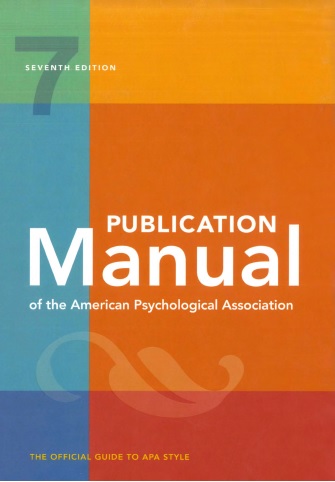
APA 7th Edition Publication Manual (2020)
Referencing with APA 7th Style – Brief Guide
6.3 Citation integrity
At NAJFNR, we are committed to upholding the highest standards of scientific integrity and transparency. We strongly discourage the citation of research from predatory and dubious journals that do not adhere to rigorous peer review and ethical standards. To safeguard the quality of the scholarly record, NAJFNR has adopted a policy against referencing such fake journals, as their content may lack scientific validity and undermine the credibility of the research published in our journal.
By submitting a manuscript to NAJFNR, authors confirm that all cited references originate from reputable, peer-reviewed sources. During the review and copy-editing process, any reference identified from a known predatory journal must be replaced or removed.
Authors are encouraged to consult the following resources to verify the legitimacy of journals they wish to cite:
7. Tables
The quantity of tables must be commensurate with the manuscript type (refer to section 1.2). All tables must be numbered using Arabic numerals and cited in sequential numerical order within the text.
- Provide a concise and descriptive caption for each table, positioned above the table body.
- Ensure each column features an appropriate heading.
- Previously published material must be acknowledged by citing the original source (reference appended to the table caption).
- Denote table footnotes with superscript lowercase letters and position them below the table body.
8. Figures
For optimal results, authors must provide high-resolution color JPEG images with a maximum resolution of 1600x1200 pixels and a minimum of 300 PPI. Avoid using ZIP compression for images.
- Submissions must be in TIFF, JPEG, EPS, or PDF format.
- Specify the graphics software used to create the artwork.
- Number all figures using Arabic numerals and cite them in sequential numerical order in the text.
- Denote figure components with lowercase letters (a, b, c).
- If the manuscript includes an appendix with figures, continue the numbering sequence from the main text (do not employ designations such as "A1, A2, A3"). Figures in online appendices (Supplementary Data) must be numbered separately.
- Figure legends must be concise and appear on a separate page following the References section.
8.1 Figure Captions
Figure captions must be included in the main text file, not as part of the figure file. Each caption must commence with Fig. and the figure number in bold. No punctuation should follow the figure number or appear at the conclusion of the caption.
8.2 Figure Placement and Size
Figures must be sized to fit the column width (39mm, 84mm, 129mm, or 174mm) with a maximum height of 234mm.
8.3 Permissions
Authors must obtain authorization from the copyright holder for all previously published figures or tables for both print and online formats. It is important to note that some publishers may not grant free reuse rights for online versions of figures. NAJFNR cannot reimburse authors for any expenses incurred in securing these permissions. To avoid delays in the publication process, authors should seek permissions as early as possible.
9. Disclosure of Potential Conflicts of Interest
Authors are required to disclose all relationships or interests that may potentially influence or bias their work. This transparency ensures an objective assessment and an accurate representation of the research. Disclosure of potential conflicts of interest, whether actual or perceived, is essential for reader comprehension and does not necessarily imply that a financial relationship with the research sponsor or consultancy is inappropriate. Potential conflicts of interest related to the research may include, but are not limited to:
- Research grants from funding agencies (include the funder and grant number);
- Honoraria for speaking engagements at conferences;
- Financial support for conference attendance;
- Financial support for educational initiatives;
- Employment or consulting engagements;
- Sponsorship support;
- Positions on advisory boards, boards of directors, or other managerial relationships;
- Multiple affiliations;
- Financial relationships such as equity ownership or investment interests;
- Intellectual property rights (e.g., patents, copyrights, royalties);
- Holdings of immediate family members that could present a financial interest in the work.
Additionally, non-financial interests that may be pertinent to readers must be disclosed. These can include personal relationships or competing interests connected directly or indirectly to the research, professional interests, or personal beliefs that could influence the research. The corresponding author is responsible for collecting conflict-of-interest disclosure forms from all authors. Each author must complete a disclosure form.
Authors may use Crossref to search funding data.
9.1 Data & Intellectual Property Policy
9.1.1 Data Sharing and Transparency
The NAJFNR policies on data and intellectual property are designed to promote ethical conduct, ensure reproducibility, and protect the rights of authors and the broader scientific community.
9.1.1.1 Data Sharing and Availability
NAJFNR requires that research data and materials supporting the findings of published articles be made publicly accessible whenever possible. Authors are encouraged to deposit their data in a recognized, community-standard repository. Submitted manuscripts must include a Data Availability Statement informing readers about the accessibility of the data associated with the research. It should specify:
- The location of the data (e.g., a specific public repository).
- A unique identifier for the dataset (e.g., a DOI, accession number).
- Any restrictions on access, if applicable, and the reasons for those restrictions (e.g., privacy, ethical concerns).
Data Repositories: we strongly encourage the use of established public data repositories, such as GenBank for genetic sequences or Dryad and Figshare for general datasets. Authors must ensure that any sensitive data is handled in accordance with all ethical and legal requirements.
Clinical Trial Registration and Reporting Guidelines: for clinical trials, authors are required to register their trials in a publicly accessible registry prior to participant enrollment. Furthermore, the submission of relevant reporting checklists (e.g., CONSORT, PRISMA) is mandated to ensure adherence to standardized reporting guidelines.
We encourage all authors to familiarize themselves with and adhere to the Transparency and Openness Promotion (TOP) Guidelines, developed by the Center for Open Science and Equator Network. These global initiatives are dedicated to improve the reliability and transparency of health research by promoting the use of high-quality reporting guidelines. These Guidelines provide a framework to enhance the reproducibility and integrity of scientific research and offer a tiered system of standards for various aspects of scholarly publishing, including:
- Citation Standards
- Data, Code, and Materials Transparency
- Design and Analysis Transparency
- Preregistration of Studies and Analysis Plans
- Replication
By embracing these Guidelines, authors contribute to a more transparent, reproducible, and trustworthy scientific enterprise. Adherence to these principles not only enhances the quality and impact of individual research but also strengthens the collective scientific endeavor.
9.1.1.2 Intellectual Property and Copyright
Upon acceptance of a manuscript, authors are required to complete and sign a Copyright Transfer Agreement or a Publishing Agreement. This agreement outlines the terms of publication and copyright (refer to subsection 12.2)
10. Research Involving Human and/or Animals
10.1 Statement of Human Rights
When reporting studies involving human participants, authors must include a statement indicating that the studies received approval from an appropriate institutional and/or national research ethics committee and were conducted in accordance with the ethical standards set forth in the 2013 Declaration of Helsinki (7th revision) and its subsequent amendments or comparable ethical standards.
In cases where there is ambiguity regarding adherence to the Helsinki Declaration or comparable standards, authors must provide a methodological justification and evidence that the independent ethics committee or institutional review board explicitly approved any contentious aspects of the study.
Prior to the References section, the following statements must be included in the manuscript:
Ethical approval: All procedures involving human participants adhered to the ethical standards of the institutional and/or national research committee and to the Declaration of Helsinki and its subsequent amendments or comparable ethical standards.
For retrospective studies, please include the following sentence: For this type of study, formal consent was not required.
10.2 Statement on the Welfare of Animals
The welfare of animals used in research is a paramount ethical and legal obligation. When reporting experiments involving animals, authors must adhere to the highest standards of humane care and transparent reporting.
Ethical Approval and Compliance
Authors must confirm that all international, national, and/or institutional guidelines for the care and use of animals were strictly adhered to, and that the studies received prior approval from a research ethics committee (e.g., Institutional Animal Care and Use Committee, IACUC) at the institution or practice where the studies were conducted.
Reporting Standards (ARRIVE 2.0)
To ensure the utility and reproducibility of the research, authors are required to complete the relevant sections of the ARRIVE 2.0 Essential 10 checklist and ensure the following essential information is reported clearly within the manuscript:
- Animal Details: the number, sex, strain, species, source, and health status of the animals.
- Housing and Husbandry:details of the environment, including caging, bedding, diet, and enrichment.
- Experimental Procedures:clear descriptions of all procedures, including the administration of substances and the duration of the experiment.
- Ethical Review:explicit details of the ethics committee and approval number.
For studies involving animals, the following comprehensive statement must be included in the text prior to the References section:
The authors confirm that the care and use of all animals were conducted in accordance with approved international, national, and/or institutional guidelines. All experimental protocols were reviewed and approved by the [Insert Name of Institutional Ethics Committee or Review Board] (Approval No. [Insert Approval Number]). The manuscript was prepared in compliance with the recommendations in the ARRIVE 2.0 guidelines.
11. Informed Consent
All individuals possess inalienable personal rights that must be respected and protected. Study participants, for instance, retain the right to determine the utilization of their identifiable personal data, statements made during studies or interviews, and any photographic records. Therefore, the procurement of written informed consent from all participants prior to their inclusion in a study is imperative. Identifiable details, such as names, dates of birth, identification numbers, and other personally identifying information, must not be published in written descriptions, photographs, or genetic profiles unless the data is indispensable for scientific purposes and the participant (or parent or legal guardian, in the case of an incapacitated participant) has provided explicit written consent for publication.
Maintaining absolute anonymity may prove challenging in certain instances, and informed consent must be sought if any ambiguity exists. For example, masking the ocular region in photographs of participants is insufficient for safeguarding anonymity. If any identifying characteristics are altered to preserve anonymity, such as in genetic profiles, authors must ensure these alterations do not compromise the scientific accuracy or integrity of the work.
The following statement must be included: Informed consent was obtained from all individual participants included in the study. If identifying information pertaining to participants is present in the article, the following statement must be included: Additional informed consent was obtained from all individual participants for whom identifying information is included in this article.
12. After Acceptance
12.1 Proofreading
Proofreading is intended exclusively for the verification of typesetting errors and the accuracy of the text, tables, and figures. Substantive content alterations (introduction of new results, correction of numerical values, modification of the title, etc.) or modifications to the list of authors are not permitted at this stage without the prior approval of the Editor. Any post-publication revisions can only be implemented in the form of an Erratum, which will be linked to the original article.
The revised manuscript must be submitted electronically using the same procedure as the initial submission. Contributors submitting a revised manuscript are requested to include the referees' comments along with detailed, point-by-point clarifications at the beginning of the revised file. Additionally, changes within the article must be clearly delineated, either through underlining or the use of colored text.
12.2 Copyright and License Arrangements
The NAJFNR articles are are licensed under the Creative Commons Attribution 4.0 International (CC BY 4.0) license, which permits unrestricted use, distribution, and reproduction in any medium, provided the original work is properly cited.
Terms and conditions associated with the NAJFNR Creative Commons Publication Agreement
Subject to the acceptance of an article for publication in NAJFNR, the Rights Holder(s), where applicable, or the Author(s) hereby agrees:
- To grant NAJFNR permission to publish the unpublished and original Article, the abstract forming part thereof, all associated supplemental material, and subsequent, if necessary, errata under the CC BY 4.0 license.
- That further distribution of this work must maintain attribution to the author(s) and the published article’s title, journal citation, and DOI.
- That any subsequent Reply to a Comment accepted for publication in the NAJFNR, for which this work is the target of the comment, should also be published under the same license as this work.
By signing this Agreement, the Rights Holder(s), where applicable, or the Author(s) jointly and separately represent and warrant that the article is original with the author(s) and does not infringe any copyright or violate any other right of any third parties. The signing person(s) also represents and warrants that they have the full power to enter into this agreement and to make the grants contained herein.
13. English Language Support
To enable editors and reviewers to conduct a comprehensive evaluation of your manuscript, the English language must be of a standard sufficient for unambiguous comprehension. If you require assistance with English writing, consider the following options:
- Seek a review from a colleague who is a native English speaker to ensure clarity.
- Consult an English language tutorial that addresses common errors in English writing.
- Engage a professional language editing service, wherein editors can refine your manuscript's English to enhance clarity and identify areas requiring your attention.
- Utilize the language editing services offered by NAJFNR.
Please note that utilizing a language editing service is not a prerequisite for publication in our journal, nor does it guarantee selection for peer review or acceptance. If your manuscript is accepted, our copy editors will review it for orthography and formal style prior to publication.
14. Ethical Consideration
14.1 Protection of Patients' Right to Privacy
Identifying information pertaining to patients must not be disclosed in written descriptions or photographic representations. Authors are required to redact patients' names from figures unless they have obtained explicit written informed consent from the patients. NAJFNR adheres to the guidelines established by the International Committee of Medical Journal Editors (ICMJE):
- Authors, rather than journals or publishers, bear the responsibility of securing patient consent forms prior to the publication of any content related to patient privacy and must maintain these forms in proper archival storage.
- If the publication includes facial images that could facilitate patient identification, a statement affirming the patient's consent must be included in the manuscript.
14.2 Publication Ethics
Ethical standards for publication are implemented to ensure the production of high-quality scientific work, to uphold public trust in scientific discoveries, and to guarantee appropriate recognition of individuals for their intellectual contributions. NAJFNR is committed to publishing only original content, defined as material that has not been previously published and is not under concurrent consideration elsewhere. Manuscripts determined to contain plagiarized content from the work of other authors, whether previously published or unpublished, will be subject to plagiarism sanctions.
14.3 Duplicate Submission
Manuscripts found to have been previously published or under concurrent consideration elsewhere will be subject to sanctions for duplicate submission or publication. Authors who have utilized their own previously published work or work currently under review as the foundation for a submitted manuscript must cite the earlier work and delineate the novel contributions of the submitted manuscript beyond those of the prior work.
14.4 Citation Manipulation
Manuscripts that contain citations primarily intended to inflate the number of citations to a specific author’s work or to articles published in a particular journal will be subject to sanctions for citation manipulation.
14.5 Data Fabrication and Falsification
Manuscripts that include fabricated or falsified experimental results, including the manipulation of digital images, will incur sanctions for data fabrication and falsification.
14.6 Improper Author Contribution or Attribution
All listed authors must have made a substantial scientific contribution to the research presented in the manuscript and must have approved all its assertions. It is imperative to include all individuals who made a significant scientific contribution, including students and laboratory technicians.
14.7 Redundant Publications
Redundant publications refer to the inappropriate partitioning of study outcomes into multiple articles.
14.8 Sanctions
In the event of substantiated violations of any of the aforementioned policies, regardless of whether they occurred in an article published by NAJFNR, the following sanctions will be imposed:
- Immediate rejection of the infringing manuscript.
- A moratorium on submissions from all authors of the infringing manuscript, individually or in collaboration with other authors, for a minimum period of 36 months.
- A moratorium on all authors of the infringing manuscript serving on the NAJFNR Editorial Board.
In cases of particularly egregious violations of these policies, the publisher reserves the right to impose additional sanctions beyond those described herein.
14.9 About Plagiarism
Plagiarism encompasses the utilization or close imitation of the language and ideas of another author while presenting them as one’s original work. Duplicate publication, often referred to as self-plagiarism, occurs when an author reuses substantial portions of their own published work without proper attribution. This can include publishing an identical manuscript in multiple journals or supplementing a previous manuscript with minor new data.
Overt instances of plagiarism involve extensive copying and pasting of text, and such manuscripts will not be considered for publication. Subtle plagiarism without malicious intent may occur, such as the reuse of portions of an introduction from a prior manuscript. The editors will assess any case brought to their attention (either through their own knowledge or via referees) on its individual merits.
If plagiarism is discovered after a manuscript is published in NAJFNR, the journal will conduct a preliminary investigation. Should plagiarism be confirmed, the journal will contact the author's institution and funding agencies. A finding of misconduct will prompt NAJFNR to issue a statement, bidirectionally linked online to and from the original manuscript, indicating the plagiarism and referencing the plagiarized material. The manuscript containing the plagiarism will be clearly marked on each page of the PDF. Depending on the severity of the plagiarism, the manuscript may also be formally retracted.


 NAJFNR is licensed under